No Result
View All Result
Online EV Marketplace
No Result
View All Result

Charged EVs | EVs with sodium-ion batteries are rolling off production lines in China

Dr.Ev by Dr.Ev
01/07/2024
in EV News
270 15
0
136
SHARES
1.2k
VIEWS
Share on Twitter


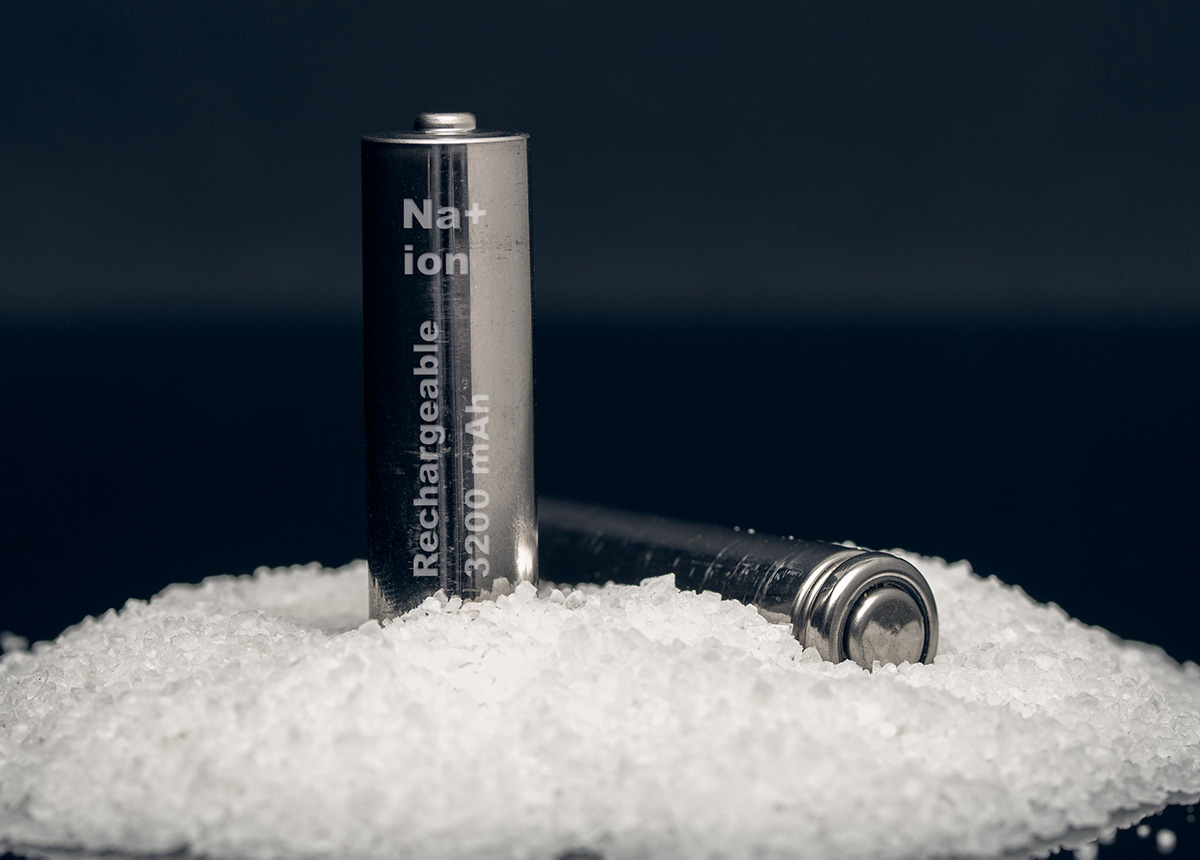
Sodium-ion batteries have long been touted as a possible successor to the lithium-ion kind—they may have lower energy density, but they rely on more abundant sodium rather than lithium, perform better in cold temperatures, and above all, tend to be cheaper.

You might also like

Rivian R2 ‘Will Underpin All Future EV Projects’ At Volkswagen

Cargo Ship Carrying Electric Vehicles Burns Off Alaska – The New York Times

Volvo Just Invented AI-Powered Seatbelts

Now, after years of anticipation, cars equipped with sodium-ion batteries have begun rolling off production lines. As is so often the case in today’s EV industry, this innovation has been brought into practical use not in the US or Europe, but in China.

Battery maker Farasis Energy reports that JMEV, an EV brand owned by Jiangling Motors Group, began producing sodium-powered EVs in December.

The compact JMEV EV3 comes in several variants—lithium-ion versions have a battery pack capacity of 31.15 kWh and a range of 301 km (CLTC). The model’s sodium battery version has a smaller battery pack (21.4 kWh) and a shorter range (251 km), but it sports a lower price tag: RMB 58,800 ($8,300) compared to RMB 62,800-66,800.

Farasis says its current sodium-ion batteries offer specific energy in the range of 140-160 Wh/kg. The company plans to launch a second generation of sodium-ion batteries in 2024 with specific energy of 160-180 Wh/kg, and hopes to reach 180-200 Wh/kg by 2026.

Also in December, Hina Battery announced that a sodium-ion-equipped Yiwei 3 hatchback from Anhui Jianghuai (aka JAC, a company 50% owned by the Volkswagen Group), rolled off the line, and that volume deliveries will begin presently.
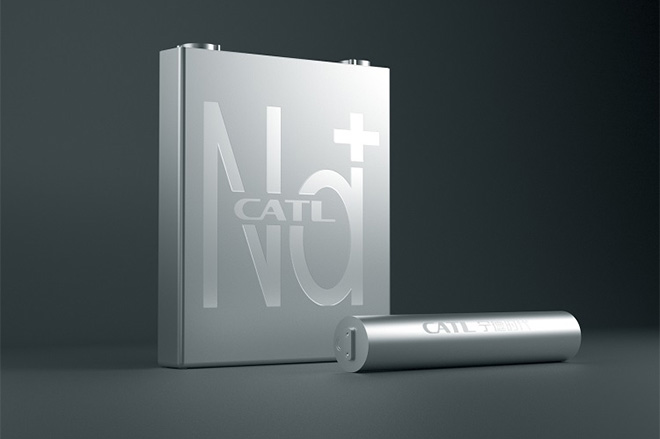
CATL Sodium ion

Many Chinese automakers are developing sodium-ion batteries. BYD recently announced a 30 GWh sodium battery plant in Xuzhou in a joint venture with Huaihai Group. CATL has shown some sodium-ion prototypes, but hasn’t yet announced mass production plans.

Xia Shunli, Chairman of Yiwei, said: “Sodium-ion batteries will become an important battery type, complementary to LFP batteries, and a low-cost solution that promotes the popularization of mass electric vehicles to masses.”

Sources: CnEVPost, CarNewsChina


Source link

Tags: batteriesChargedChinaEVslinesproductionRollingsodiumion
Previous Post

Tesla Megapacks go live in Oahu, garnering visit from executive

Next Post

The hidden costs of owning electric cars – KTSM 9 News

Dr.Ev

Dr.Ev

Related Posts

Rivian R2 ‘Will Underpin All Future EV Projects’ At Volkswagen

by Dr.Ev
06/06/2025
0

Rivian R2's tech stack will underpin all future EVs at Volkswagen, according to a Rivian exec. VW's ID Every1 will...

Cargo Ship Carrying Electric Vehicles Burns Off Alaska – The New York Times

by Dr.Ev
06/06/2025
0

Cargo Ship Carrying Electric Vehicles Burns Off Alaska  The New York Times Source link

Volvo Just Invented AI-Powered Seatbelts

by Dr.Ev
06/05/2025
0

Volvo has revealed its new "multi-adaptive seatbelt" design, which increases occupant safety. The new seatbelt adjusts depending on the size...

$1.6B EV battery cell plant in Florence pauses construction over market uncertainty – The State

by Dr.Ev
06/05/2025
0

$1.6B EV battery cell plant in Florence pauses construction over market uncertainty  The State Source link

Next Post

The hidden costs of owning electric cars - KTSM 9 News

Online EV Marketplace

© 2025 Online EV

Navigate Site

  • Home
  • Buying Advice
  • Buy Domains
  • Videos
  • Contact

Follow Us

Welcome Back!

Login to your account below

Forgotten Password?

Retrieve your password

Please enter your username or email address to reset your password.

Log In
No Result
View All Result
  • Home
    • Privacy Policy
      • Terms of Service – Refund and Returns Policy
  • Buying Advice
  • Buy Domains
  • Videos
  • Contact

© 2025 Online EV